
News
Stop Starting. Start Finishing: Why Continuity Is Strategically Important for Nigeria in 2027

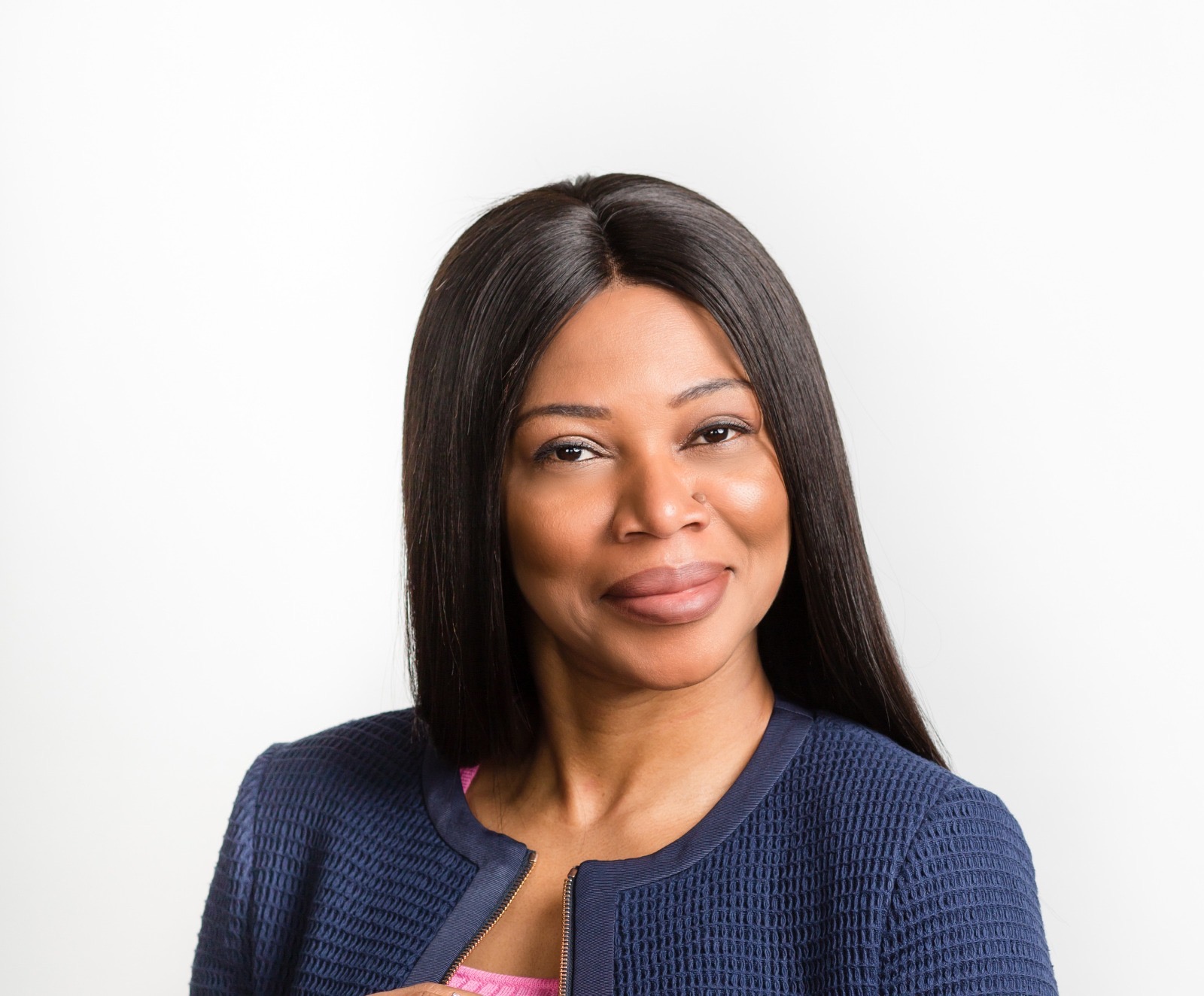
Stop Starting. Start Finishing: Why Continuity Is Strategically Important for Nigeria in 2027
by Mary Laniyan
“Stop starting. Start finishing,” is a popular agile transformation principle used to shift organisations away from measuring activity and toward delivering value and measurable outcomes. Governments are not corporations, but the underlying economic principle is comparable. In government, the stakes are infinitely higher, they have a human cost.
The cost is measured in the lives of ordinary people, the pain of making ends meet, the anxiety of raising a family, the frustration of being unable to find meaningful work, the loss of dignity that comes from being unable to be productive and self-reliant, and, above all, the uncertainty surrounding the future of an entire generation of young Nigerians. That is why I dare say this: Nigeria does not need another beginning in 2027. Nigeria needs continuity, discipline and the courage to finish what it has started.
The problem with perpetual beginnings.
By the time the presidential baton changed hands in 2023, the Nigerian foundation had deteriorated significantly. Consequently, regardless of who assumed office, there was always going to be a period of pain, if the genuine intention was to confront the structural problems that had bedevilled the country for decades.
Structural reforms are rarely painless.
Much like a house with serious structural defects, a fresh coat of paint may make the building look beautiful in the short term, but it does not fix the structural issues at the core of its foundation. Eventually, the underlying problems return, and often with greater consequences. Nigeria cannot afford to keep painting over structural cracks. Fixing the foundation requires something that our political system has historically struggled with, and that is continuity.
The tyranny of the “pet project.”
As we look towards 2027, I believe it is not too early to appeal to the conscience of our political elites to embrace a mindset of “continuity for impact” and move away from the political “pet project” mindset.
Every administration naturally wants to leave its own mark. There is nothing inherently wrong with that, but if we put Nigeria first and put on the hat of a relay race athlete, you win and Nigeria wins. Leaving your mark should not be more important than building on what already exists for a much needed outcome. A new administration arrives. A new set of priorities are announced. Existing programmes are renamed, abandoned, redesigned or simply starved of political attention. Years later, another administration arrives and starts the cycle all over again. The result is predictable, we become very good at starting and very poor at finishing and Nigeria pays the price.
Ajaokuta should never become normal.
I belong to a generation that still mourns the story of the Ajaokuta Steel Complex. Ajaokuta represents one of Nigeria’s most consequential industrial missed opportunities, not merely because a steel plant was never fully realised, but because of the industrial ecosystem that could have developed around it. A functioning integrated steel industry could have supported engineering, manufacturing, construction, machinery, transportation, mining and a range of downstream industries. It could have created skills, supply chains and industrial capabilities that would have outlived any single administration. That is the tragedy of Ajaokuta.
We did not merely fail to finish a project; we potentially failed to finish an industrialisation strategy that would have revolutionized Nigeria for a generation yet unborn.
And then there is Mambilla.
The Mambilla Hydroelectric Project represents another extraordinary missed opportunity. Nigeria has spent decades confronting one of the fundamental constraints on economic development, inadequate and unreliable electricity. We have repeatedly struggled to complete major projects capable of expanding the country’s power-generation capacity at scale.
Mambilla is a powerful reminder that infrastructure of national significance cannot be treated as the property of whichever administration happens to inherit it. If projects such as Ajaokuta and Mambilla had been successfully completed, integrated into the wider economy and properly maintained, I believe Nigeria’s economic trajectory could have been profoundly different. One finished project may not magically transform a nation, but it will create platforms upon which other opportunities can be built.
Continuity is not political loyalty, this is an important distinction. Continuity should not mean defending everything a previous administration did. It should not mean refusing to correct mistakes. It should not mean protecting failed policies because of political allegiance. Continuity means identifying what is strategically important to Nigeria, preserving what works, correcting what does not, and finishing what deserves to be finished.
A new administration should have the courage to say: This may not have been my project, but it is imperative that we finish it. That is the mindset we need. Imagine a Nigeria where successive administrations measured themselves not only by what they started, but by how many strategically important national projects they successfully completed. It is in this context that Hon. Minister Nyesom Wike comes to mind. He should be applauded for finishing a lot of projects that he didn’t start.
How do we make this work?
Every administration should have the opportunity to shine within a 20 to 30 year national development horizon, while plugging into a clearly defined Nigerian National Development Strategy that provides a consistent North Star.
The long-term strategy should set out where Nigeria wants to be in 20 or 30 years. Each administration should then be responsible for defining the specific priorities, reforms and measurable outcomes it will deliver during its tenure to move the country closer to that destination. The destination remains consistent; administrations compete on how effectively they move the country forward. This creates the right balance between continuity and accountability.
Let’s get Organised
“We are not outnumbered, we are out-organised.” The quote is widely attributed to human rights activist Malcolm X, I believe it resonates deeply with our context today. Nigeria is not short of people, ideas, talent, ambition or resources. We need government to create the conditions in which Nigerians can do more for themselves. Nigerians in my opinion, are the easiest to govern because of their resilience and grit. That is why 2027 should not simply be another political contest. It should be an opportunity to ask a more fundamental question: What must Nigeria continue, complete and institutionalise to leverage its people for a vibrant economy.
And if we genuinely want to change the trajectory of this country, perhaps the most important political and civic discipline we can embrace is also the simplest.
Stop starting.
Start finishing.
Mary Laniyan
Systems Performance Coach



….Former Foreign Affairs Minister calls for stronger continental integration, warns against discrimination among Africans
By Adeko Ukpa
Former Minister of Foreign Affairs, Yusuf Maitama Tuggar, has condemned the growing hostility against fellow Africans in parts of the continent, particularly South Africa.
He warned that xenophobia undermines the ideals of Pan-Africanism and threatens Africa’s collective future.
Tuggar said Africa could not genuinely pursue continental unity, economic integration and shared prosperity while citizens of one African country were subjected to discrimination, intimidation and violence in another.
He spoke at the 2026 end-of-year event of The Bridge Club, where he served as chairman of the occasion.
The event featured renowned Kenyan scholar and Pan-African advocate, Professor P.L.O. Lumumba, as keynote speaker.
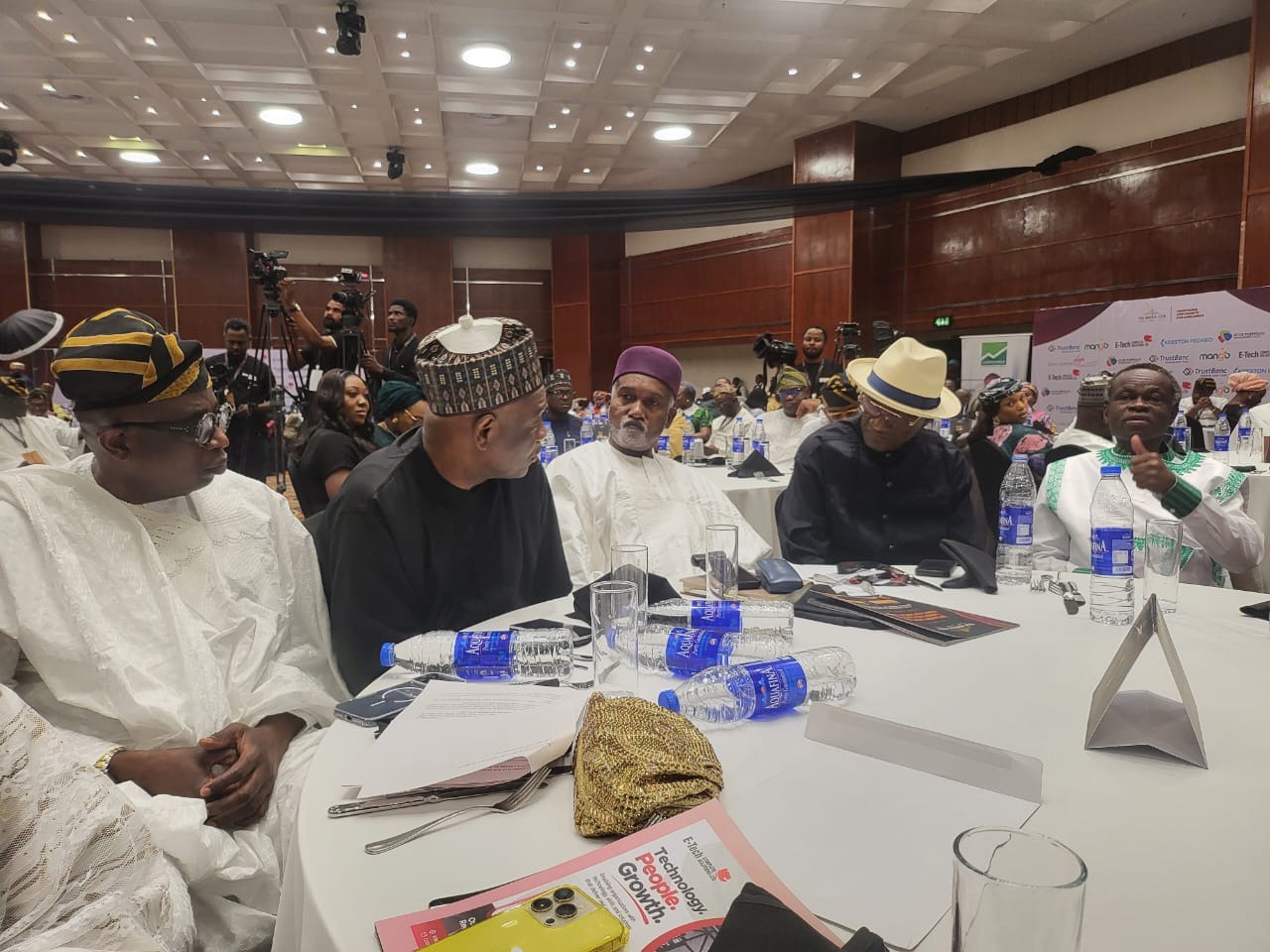
L-R: The President of The Bridge Club Lagos, Mr. Abdulhakeem Mustapha (SAN); the Executive Secretary, TETFUND, Arc. Sonny Echono; the Chairman of the occasion and a former Minister of Foreign Affairs, Amb. Yusuf Maitama Tuggar; a special guest, Mr Brodericks Arigbodi; and the Keynote Speaker, Prof. P.L.O. Lumumba at the end-of-the-year symposium of the club on Xenophobia and Pan-Africanism on Thursday at the Continental Hotel, Lagos.
The former minister, who reflected on Nigeria’s historical involvement in the struggle against apartheid in Southern Africa, said the country had made enormous sacrifices to secure the liberation of African countries from racist minority rule.
He recalled how Nigeria provided scholarships and other assistance to victims of apartheid, including South African students who survived the 1976 Soweto massacre.
According to him, Nigeria’s solidarity extended to Namibia, Angola and other African countries struggling against colonialism and racial oppression.
He said Nigerians of his generation grew up believing in African liberation and unity, making the current hostility against Nigerians and other black Africans in South Africa particularly difficult to understand.
Tuggar said: “These are but a very few of the reasons why Nigerians cannot fathom why they and other black Africans are being targeted in South Africa.
“Call it Afrophobia, which may be a better description than xenophobia, as non-black Africans appear to be exempted, or the more euphemistic framing of anti-migration protests, it is wrong and must be condemned.”
He described the development as particularly unfortunate at a time when African countries should be strengthening cooperation to improve their economic and political standing in the international community.
Tuggar, however, argued that understanding the historical and structural factors behind the hostility was necessary to addressing the problem, stressing that historical context should not be mistaken for justification.
He traced some of the roots of institutionalised segregation in Africa to colonial policies and the apartheid system, arguing that their psychological and social consequences continued to influence relationships within African societies.
The former minister said the continent needed intellectual rigour, historical understanding and stronger institutions to confront prejudice and other attitudes that undermine African solidarity.
He also identified economic integration and industrial development as critical elements of genuine Pan-Africanism.
According to him, Africa cannot achieve meaningful development by remaining a supplier of raw materials to the rest of the world while importing finished products.
He cited the vision of Nigerian development economist Adebayo Adedeji and other African intellectuals who advocated manufacturing, regional integration and the development of an African Economic Community.
Tuggar said the African Continental Free Trade Area (AfCFTA) offered an important opportunity to advance that vision by strengthening trade, industrialisation and the movement of goods and services across national borders.
He identified three important connections between economic integration and Pan-Africanism, including the need for free movement of labour as a foundation of an effective continental free trade system.
He said: “The path to Pan-Africanism is through the continental free trade area.
“As the father of capitalism, Adam Smith, once opined, the free circulation of labour is the foundation of any free trade system.”
Tuggar also expressed concern about the possible influence of external interests in fuelling anti-migrant sentiments, calling for greater scrutiny of organised anti-immigration campaigns and their sources of funding.
He warned that the relationship between Nigeria and South Africa remained too important to the continent’s future to be undermined by hostility and mutual suspicion.
He recalled South Africa’s support for Nigeria’s international engagements, including its efforts towards joining the Group of 20 (G20).
Earlier, President of The Bridge Club, Abdulhakeem Mustapha (SAN), said the theme of the event, Xenophobia Contradicts Pan-Africanism, reflected the urgent need for Africans to reconcile their commitment to continental unity with their treatment of fellow Africans.
Mustapha said Pan-Africanism must go beyond political declarations, diplomatic conferences and economic agreements to become evident in people’s attitudes and conduct.
He asked: “How can we genuinely aspire to a united Africa when an African is made to feel unwelcome, unsafe or unwanted in another African country simply because of nationality, ethnicity or origin?”
He added that Africa’s prosperity, security and dignity were interconnected and could not be achieved sustainably at the expense of another African country.
Mustapha urged members of the club and other stakeholders to promote tolerance, mutual respect and understanding across national and cultural boundaries.
The event brought together professionals, business leaders, diplomats and other distinguished guests to discuss the future of African unity and the responsibilities of citizens in building a more inclusive continent.
News
Lumumba, Tuggar, Dabiri-Erewa to Discuss Xenophobia and Pan-Africanism at The Bridge Club of Lagos Event
By Adeko Ukpa
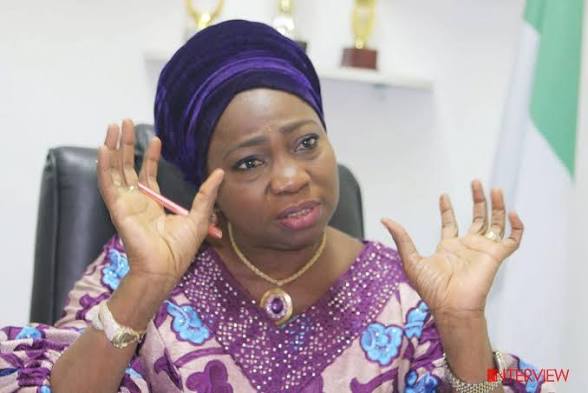
Renowned anti-corruption advocate Prof. P. L. O. Lumumba; former Minister of Foreign Affairs, Amb. Yusuf Maitama Tuggar; and Chairman of the Nigerians in Diaspora Commission (NiDCOM), Hon. Abike Dabiri-Erewa, will headline discussions on “Xenophobia Contradicts Pan-Africanism” at the Grand End-of-Year Event of The Bridge Club of Lagos.
The event will take place on 12 November 2026 at the Lagos Continental Hotel, Lagos.
Other participants include Prof. David Aworawo, Head of the Department of History and International Studies at the University of Lagos; Amb. Godwin Adakole Adama, former Consul-General of Nigeria in South Africa; and Prof. Bobby J. Moroe, Consul-General of South Africa in Nigeria. Respected columnist and broadcaster Dr. Reuben Abati will moderate the discussion.
Founded in Lagos in 2017 by a group of friends from diverse professional backgrounds, The Bridge Club of Lagos provides a platform for thoughtful dialogue on issues of national and international significance.
Through its annual gathering, the Club examines the implications of domestic and foreign policies for Nigeria and contributes to discussions on national development, international relations and foreign direct investment.
Speaking on this year’s programme, the President of The Bridge Club of Lagos, Mr. A. U. Mustapha, SAN, said the growing incidence of xenophobia demands urgent attention.
“It is time to bring xenophobia to the forefront of public discourse before it further erodes African unity,” he said.
“Our Club seeks to bring together diverse perspectives and identify practical solutions to the growing hostility among Africans. We stood together in the struggle against colonialism. Having secured our hard-earned independence, we must confront the divisions that now threaten our shared progress.
“We have invited distinguished experts to examine the causes of xenophobia and recommend measures to make Africa a continent where all Africans can live, work and contribute without fear of hostility or discrimination.
“Our discussions will explore the economic, social and political factors driving these tensions. The resulting recommendations will be communicated to relevant governments and institutions to encourage meaningful action.
“Africa must rise together. We must reject bloodshed, maiming, looting, discrimination and hatred, and renew our commitment to the ideals of Pan-Africanism.”
By Adeko Ukpa
Rotary International District 9127 has called for increased financial contributions towards its humanitarian projects, particularly interventions targeting critical healthcare needs, hearing disabilities and mobility challenges among vulnerable Nigerians.
The call was made at the 2026 Rotary Foundation Dinner of the district, where the District Governor, Engr. Sikiru Owonikoko, and Chairman of the Organising Committee, Engr. Michael Oluwagbemi, urged individuals and corporate organisations to strengthen their support for humanitarian service.
The District Governor, Owonikoko, described generosity as an important instrument for promoting peace, development and social inclusion.
He said giving provided hope for the less privileged, strengthened relationships within communities and helped bridge socio-economic divisions.
“Giving gives hope to the less privileged; it creates bonds in a society; it bridges socio-economic gaps; it fosters unity; and it makes the world safer and better for all of us.
“Giving therefore is a passport to peace and development. More importantly, it is, without a shred of doubt, a divine obligation,” he said.
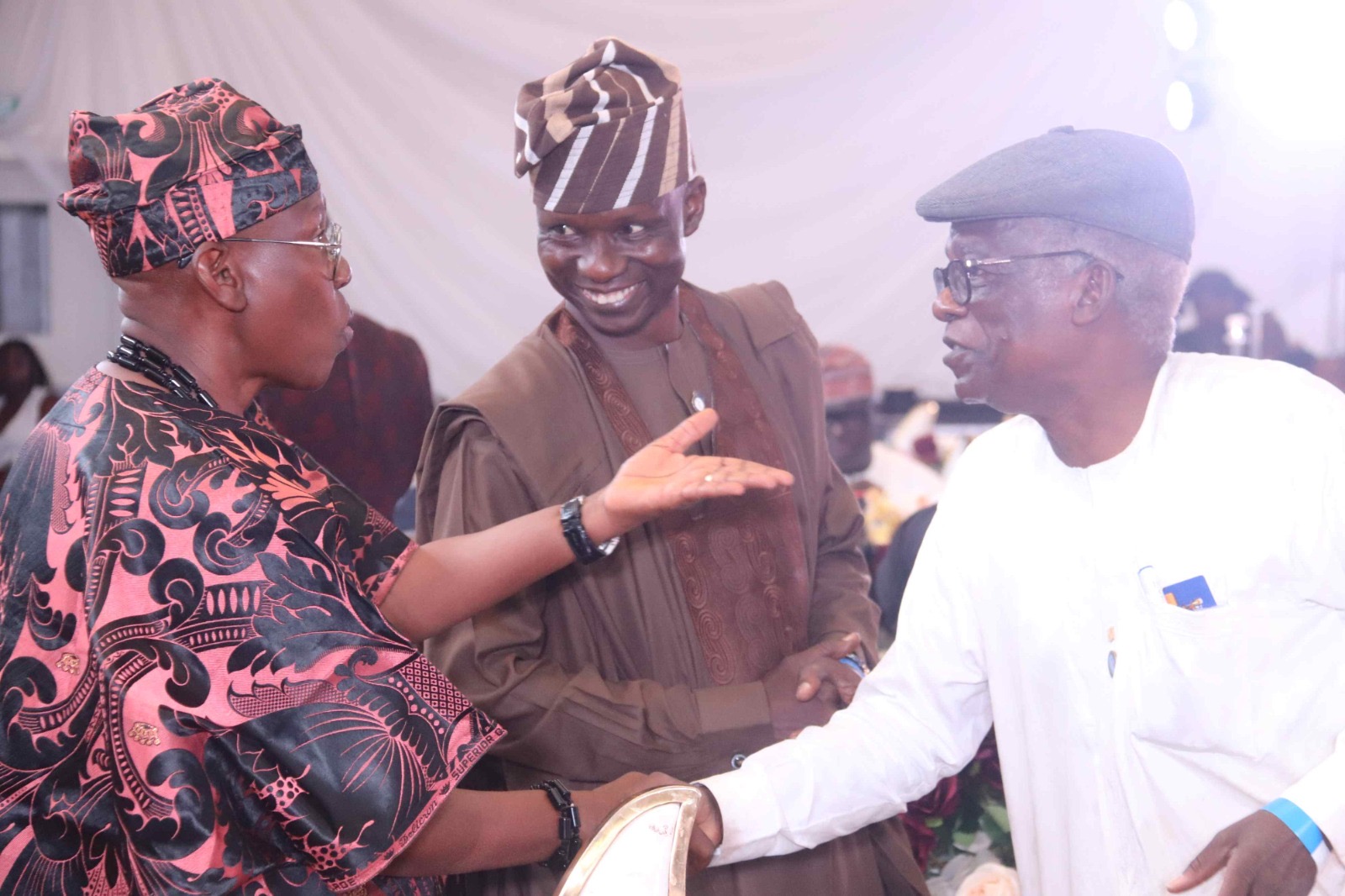
The District Governor for Rotary International District 9127, Engr. Sikiru Adetona Owonikoko chatting with the Assistant District Executive Secretary, Rtn. Bidemi Abidemi and one of best donors to The Rotary Foundation(TRF) in Nigeria, Dr. Bala Inuwa during the TRF dinner of the
district in Abuja on Saturday.
Owonikoko urged Nigerians to see philanthropy as a shared responsibility, noting that collective contributions could produce lasting changes in the lives of individuals and communities.
He said the Rotary Foundation had continued to demonstrate how ordinary people, working together, could achieve extraordinary results through humanitarian service.
“Every contribution tells a story. Every act of generosity creates an opportunity. And every life we touch reminds us why we serve,” he added.
The organising committee chairman, Oluwagbemi, said donations to the Rotary Foundation were helping to address critical needs in society, particularly among people who required specialised medical attention and assistance to improve their quality of life.
He identified intensive care support at the National Hospital, hearing aid interventions and prosthetic assistance through Cedarcrest Hospital as some of the projects demonstrating the impact of the Foundation’s contributions.
He said the initiatives were designed to provide practical assistance to people whose circumstances might otherwise limit their access to essential healthcare and medical support.
“Behind this evening’s celebration are people whose lives our generosity can change: a patient needing critical care, someone seeking the gift of hearing, or a polio survivor working towards greater mobility and independence,” he said.
He explained that the projects reflected the importance of translating philanthropy into measurable interventions that directly addressed human needs.
“Our contributions become treatment, equipment and opportunity. They reach people we never meet, but whose lives we have the privilege to improve,” he added.
Oluwagbemi appealed to both longstanding donors and first-time contributors to make personal commitments to the Foundation, assuring them that its team would provide guidance on the donation process and ensure that contributions were properly recorded.
He also acknowledged the support of the District Governor, Foundation leadership, sponsors, partners and members of the organising committee in making the dinner possible.
The event, which featured fellowship, recognition and a documentary on the benefits of the Rotary Foundation, was organised to celebrate the Foundation’s achievements and mobilise additional resources for its humanitarian activities.
Oluwagbemi expressed hope that the generosity demonstrated at the dinner would extend beyond the gathering to reach people in need.
“May the light in this room reach beyond these walls and bring hope to someone waiting for help,” he said.
-
 Opinion2 years ago
Anioma State: A Necessary Proposal Rooted in Strategic Advantage
-
 Opinion6 months ago
Ibileye’s Quiet Revolution at Federal University Lokoja
-
 Business & Economy2 years ago
NASENI, Qietur partner to build 3000 Housing Units for Staff
-
 Law2 years ago
Human Right and Law Enforcement in Nigeria: A Critical Analysis
-
 Business1 year ago
Lithium boom has reshaped Nasarawa’s economy, says Prof Haruna
-
 Education1 year ago
TVET will change Nigeria for good, says NABTEB Registrar
-
Education1 year ago
NABTEB Registrar advises automotive, locomotive Engineers to do more to diversify Nigerian economy
-
 Opinion1 year ago
Engr. Kawu: A Heroic Homecoming for a Man of the People