
News
Frank Alleges Plot to Relocate Nigeria’s Capital, Slams Tinubu Over ‘Lagos-Centric Agenda’

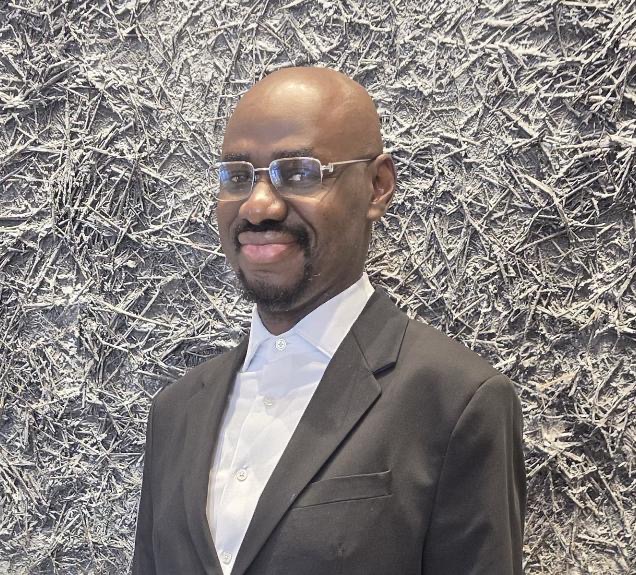
From Adeko Ukpa, Abuja
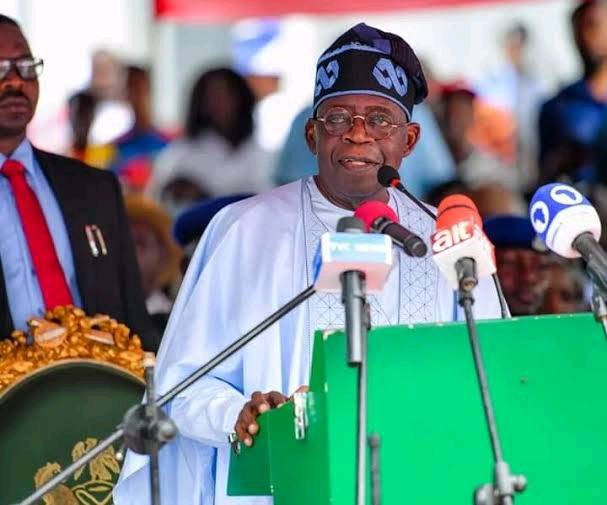
Former Deputy National Publicity Secretary of the All Progressives Congress (APC), Comrade Timi Frank, has launched a scathing attack on President Bola Ahmed Tinubu, accusing him of pursuing a hidden agenda to relocate Nigeria’s federal capital from Abuja to Lagos, while allegedly sidelining other regions of the country.
In a strongly worded statement, Frank described what he called a pattern of “suspicious and calculated actions” by the administration, claiming that major government decisions, investments, and agreements were increasingly tilted toward Lagos.
According to him, “it is now clear” that the President’s long-term plan is to concentrate political and economic power in Lagos if given another term in office.
Frank alleged that federal appointments and development initiatives under Tinubu have been largely one-sided, warning that such a trend undermines national unity.
He insisted that Nigeria needs leadership that treats all regions fairly, stressing that “we don’t need a president who is one-sided,” but one who ensures equitable distribution of opportunities, infrastructure, and governance.
The outspoken activist went further to accuse the administration of worsening nepotism beyond previous governments, including that of former President Muhammadu Buhari.
He argued that while past administrations had been criticised for imbalance, “this is the worst,” alleging that key positions and benefits are disproportionately skewed.
“Where are Tinubu’s MOUs tied to agricultural and livestock production in the North, industrial development in the South East and oil and gas development in the South-South? None!” he said
Frank also raised concerns over a series of Memoranda of Understanding (MOUs) and foreign loans, alleging that many of them are tied to projects in Lagos without visible nationwide impact.
He claimed that despite multiple agreements and borrowings, Nigerians are yet to see corresponding tangible developments across the country, questioning the transparency and execution of such deals.
On the recently reported £746 million port refurbishment deal involving the United Kingdom, Frank described the arrangement as economically disadvantageous to Nigeria.
He argued that the structure of the deal – requiring a significant portion of contracts and supplies to be sourced from British firms – amounts to a situation where Nigeria incurs debt while foreign companies reap substantial benefits.
He warned that such agreements could deepen Nigeria’s debt burden without delivering commensurate value, alleging that the country risks being used to boost foreign industries at its own expense.
According to him, “Nigeria must not be turned into a dumping ground for exploitative financial arrangements disguised as partnerships.”
Frank lamented about the handling of the construction of the Coastal Highway, saying, “What is happening with the coastal road raises serious concerns. If the project were genuine, it would have followed the original master plan conceived under late President Umaru Musa Yar’Adua, which was designed to commence from the Niger Delta, particularly from Calabar.
“However, what we are seeing now is a deviation from that plan. The project has been kickstarted from Lagos, apparently to achieve a political objective before the end of the current administration in 2027, while the original vision has been abandoned.
“Secondly, no President in Nigeria’s history has divided the country and its people along regional and ethnic lines the way this administration has done.
“There is a growing sense of alienation and division among Nigerians that is deeply troubling.
“It appears to be a deliberate strategy to impoverish certain regions, especially the North, South, and South-East, so that citizens are economically weakened ahead of the 2027 election cycle.
“At the same time, there are allegations of large sums of money being distributed to influence public opinion and silence dissenting voices. Nigerians must be cautious and not allow themselves to be swayed or compromised by this deliberate act that could further deepen poverty and division in the country.
“No President should pursue personal interests at the expense of national unity. What we are witnessing is an unprecedented level of division among Nigerians across regions.”
Frank called on Nigerians to critically scrutinise government policies and international agreements, urging greater transparency and accountability in governance.
He also appealed to relevant institutions and stakeholders to ensure that national interest, equity, and sovereignty are not compromised.




….Former Foreign Affairs Minister calls for stronger continental integration, warns against discrimination among Africans
By Adeko Ukpa
Former Minister of Foreign Affairs, Yusuf Maitama Tuggar, has condemned the growing hostility against fellow Africans in parts of the continent, particularly South Africa.
He warned that xenophobia undermines the ideals of Pan-Africanism and threatens Africa’s collective future.
Tuggar said Africa could not genuinely pursue continental unity, economic integration and shared prosperity while citizens of one African country were subjected to discrimination, intimidation and violence in another.
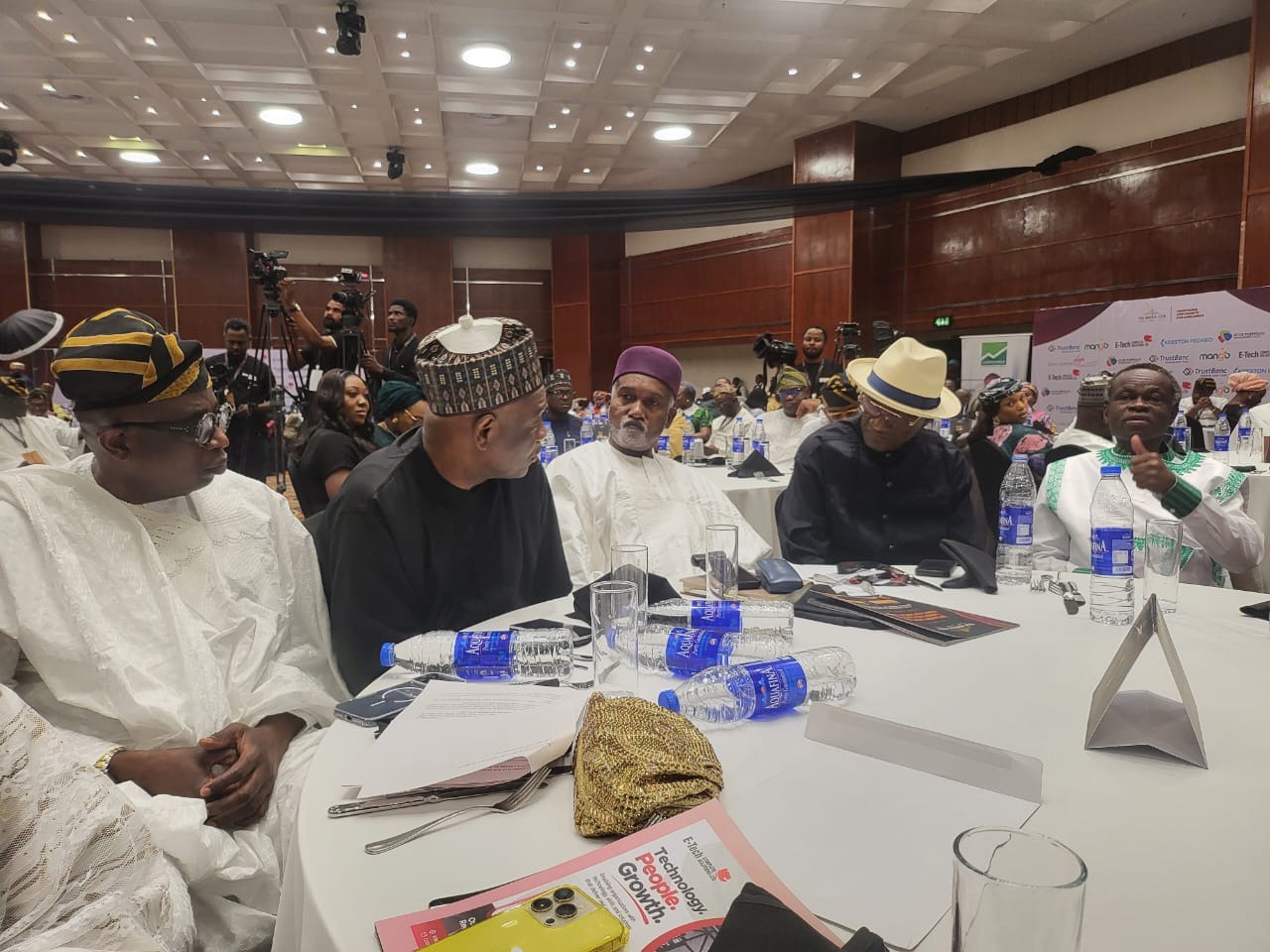
He spoke at the 2026 end-of-year event of The Bridge Club, where he served as chairman of the occasion.
The event featured renowned Kenyan scholar and Pan-African advocate, Professor P.L.O. Lumumba, as keynote speaker.
L-R: The President of The Bridge Club Lagos, Mr. Abdulhakeem Mustapha (SAN); the Executive Secretary, TETFUND, Arc. Sonny Echono; the Chairman of the occasion and a former Minister of Foreign Affairs, Amb. Yusuf Maitama Tuggar; a special guest, Mr Brodericks Arigbodi; and the Keynote Speaker, Prof. P.L.O. Lumumba at the end-of-the-year symposium of the club on Xenophobia and Pan-Africanism on Thursday at the Continental Hotel, Lagos.
The former minister, who reflected on Nigeria’s historical involvement in the struggle against apartheid in Southern Africa, said the country had made enormous sacrifices to secure the liberation of African countries from racist minority rule.
He recalled how Nigeria provided scholarships and other assistance to victims of apartheid, including South African students who survived the 1976 Soweto massacre.
According to him, Nigeria’s solidarity extended to Namibia, Angola and other African countries struggling against colonialism and racial oppression.
He said Nigerians of his generation grew up believing in African liberation and unity, making the current hostility against Nigerians and other black Africans in South Africa particularly difficult to understand.
Tuggar said: “These are but a very few of the reasons why Nigerians cannot fathom why they and other black Africans are being targeted in South Africa.
“Call it Afrophobia, which may be a better description than xenophobia, as non-black Africans appear to be exempted, or the more euphemistic framing of anti-migration protests, it is wrong and must be condemned.”
He described the development as particularly unfortunate at a time when African countries should be strengthening cooperation to improve their economic and political standing in the international community.
Tuggar, however, argued that understanding the historical and structural factors behind the hostility was necessary to addressing the problem, stressing that historical context should not be mistaken for justification.
He traced some of the roots of institutionalised segregation in Africa to colonial policies and the apartheid system, arguing that their psychological and social consequences continued to influence relationships within African societies.
The former minister said the continent needed intellectual rigour, historical understanding and stronger institutions to confront prejudice and other attitudes that undermine African solidarity.
He also identified economic integration and industrial development as critical elements of genuine Pan-Africanism.
According to him, Africa cannot achieve meaningful development by remaining a supplier of raw materials to the rest of the world while importing finished products.
He cited the vision of Nigerian development economist Adebayo Adedeji and other African intellectuals who advocated manufacturing, regional integration and the development of an African Economic Community.
Tuggar said the African Continental Free Trade Area (AfCFTA) offered an important opportunity to advance that vision by strengthening trade, industrialisation and the movement of goods and services across national borders.
He identified three important connections between economic integration and Pan-Africanism, including the need for free movement of labour as a foundation of an effective continental free trade system.
He said: “The path to Pan-Africanism is through the continental free trade area.
“As the father of capitalism, Adam Smith, once opined, the free circulation of labour is the foundation of any free trade system.”
Tuggar also expressed concern about the possible influence of external interests in fuelling anti-migrant sentiments, calling for greater scrutiny of organised anti-immigration campaigns and their sources of funding.
He warned that the relationship between Nigeria and South Africa remained too important to the continent’s future to be undermined by hostility and mutual suspicion.
He recalled South Africa’s support for Nigeria’s international engagements, including its efforts towards joining the Group of 20 (G20).
Earlier, President of The Bridge Club, Abdulhakeem Mustapha (SAN), said the theme of the event, Xenophobia Contradicts Pan-Africanism, reflected the urgent need for Africans to reconcile their commitment to continental unity with their treatment of fellow Africans.
Mustapha said Pan-Africanism must go beyond political declarations, diplomatic conferences and economic agreements to become evident in people’s attitudes and conduct.
He asked: “How can we genuinely aspire to a united Africa when an African is made to feel unwelcome, unsafe or unwanted in another African country simply because of nationality, ethnicity or origin?”
He added that Africa’s prosperity, security and dignity were interconnected and could not be achieved sustainably at the expense of another African country.
Mustapha urged members of the club and other stakeholders to promote tolerance, mutual respect and understanding across national and cultural boundaries.
The event brought together professionals, business leaders, diplomats and other distinguished guests to discuss the future of African unity and the responsibilities of citizens in building a more inclusive continent.
News
Lumumba, Tuggar, Dabiri-Erewa to Discuss Xenophobia and Pan-Africanism at The Bridge Club of Lagos Event
By Adeko Ukpa
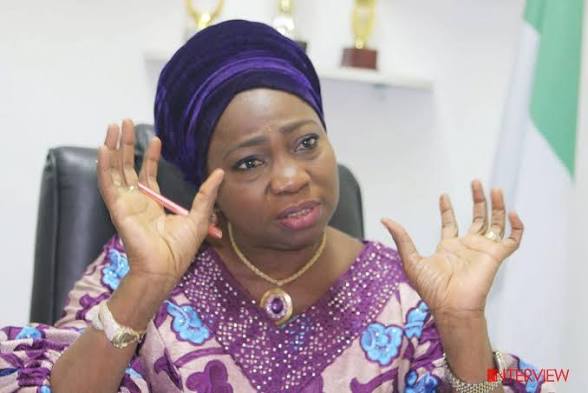
Renowned anti-corruption advocate Prof. P. L. O. Lumumba; former Minister of Foreign Affairs, Amb. Yusuf Maitama Tuggar; and Chairman of the Nigerians in Diaspora Commission (NiDCOM), Hon. Abike Dabiri-Erewa, will headline discussions on “Xenophobia Contradicts Pan-Africanism” at the Grand End-of-Year Event of The Bridge Club of Lagos.
The event will take place on 12 November 2026 at the Lagos Continental Hotel, Lagos.
Other participants include Prof. David Aworawo, Head of the Department of History and International Studies at the University of Lagos; Amb. Godwin Adakole Adama, former Consul-General of Nigeria in South Africa; and Prof. Bobby J. Moroe, Consul-General of South Africa in Nigeria. Respected columnist and broadcaster Dr. Reuben Abati will moderate the discussion.
Founded in Lagos in 2017 by a group of friends from diverse professional backgrounds, The Bridge Club of Lagos provides a platform for thoughtful dialogue on issues of national and international significance.
Through its annual gathering, the Club examines the implications of domestic and foreign policies for Nigeria and contributes to discussions on national development, international relations and foreign direct investment.
Speaking on this year’s programme, the President of The Bridge Club of Lagos, Mr. A. U. Mustapha, SAN, said the growing incidence of xenophobia demands urgent attention.
“It is time to bring xenophobia to the forefront of public discourse before it further erodes African unity,” he said.
“Our Club seeks to bring together diverse perspectives and identify practical solutions to the growing hostility among Africans. We stood together in the struggle against colonialism. Having secured our hard-earned independence, we must confront the divisions that now threaten our shared progress.
“We have invited distinguished experts to examine the causes of xenophobia and recommend measures to make Africa a continent where all Africans can live, work and contribute without fear of hostility or discrimination.
“Our discussions will explore the economic, social and political factors driving these tensions. The resulting recommendations will be communicated to relevant governments and institutions to encourage meaningful action.
“Africa must rise together. We must reject bloodshed, maiming, looting, discrimination and hatred, and renew our commitment to the ideals of Pan-Africanism.”
By Adeko Ukpa
Rotary International District 9127 has called for increased financial contributions towards its humanitarian projects, particularly interventions targeting critical healthcare needs, hearing disabilities and mobility challenges among vulnerable Nigerians.
The call was made at the 2026 Rotary Foundation Dinner of the district, where the District Governor, Engr. Sikiru Owonikoko, and Chairman of the Organising Committee, Engr. Michael Oluwagbemi, urged individuals and corporate organisations to strengthen their support for humanitarian service.
The District Governor, Owonikoko, described generosity as an important instrument for promoting peace, development and social inclusion.
He said giving provided hope for the less privileged, strengthened relationships within communities and helped bridge socio-economic divisions.
“Giving gives hope to the less privileged; it creates bonds in a society; it bridges socio-economic gaps; it fosters unity; and it makes the world safer and better for all of us.
“Giving therefore is a passport to peace and development. More importantly, it is, without a shred of doubt, a divine obligation,” he said.
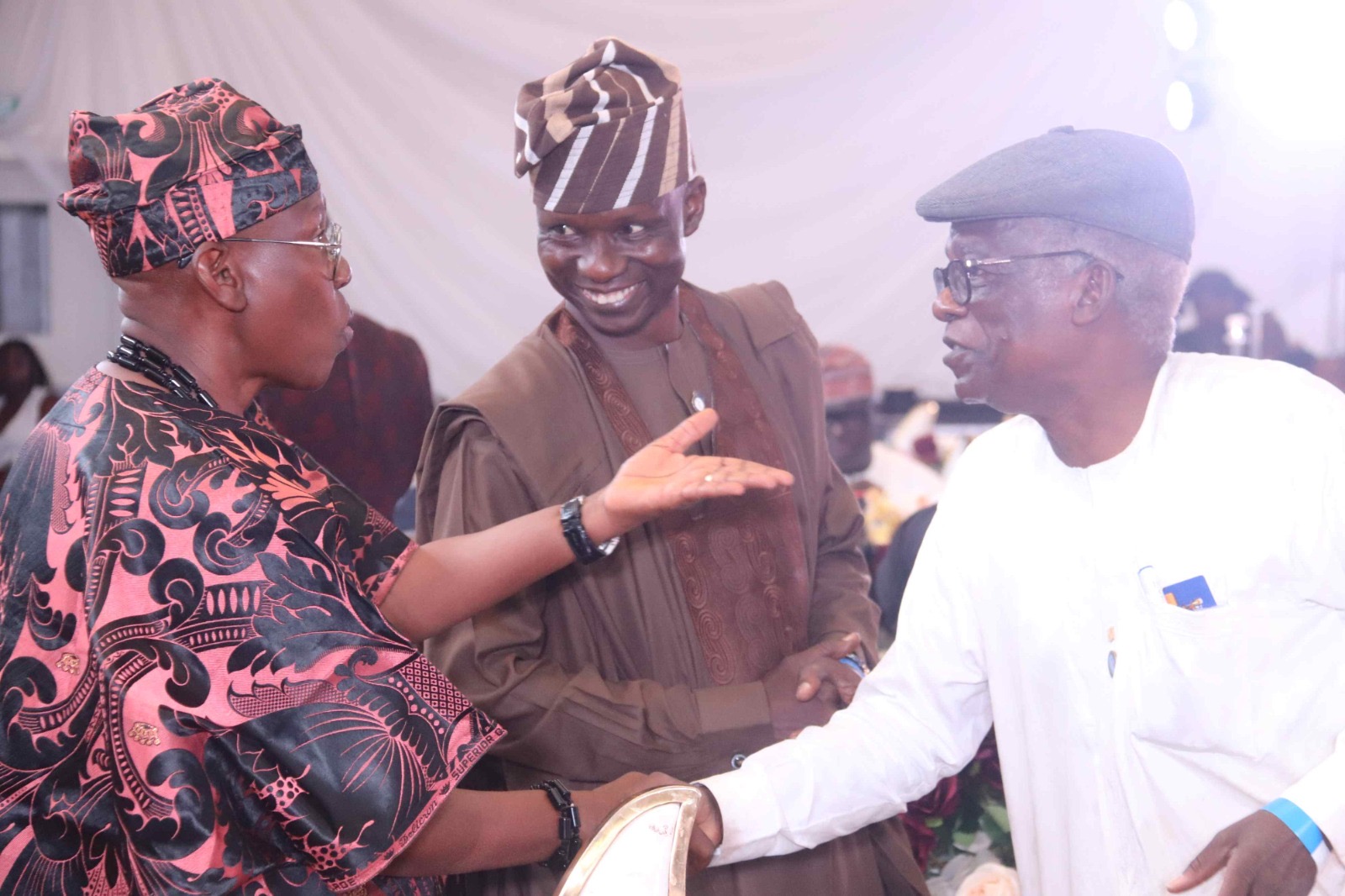
The District Governor for Rotary International District 9127, Engr. Sikiru Adetona Owonikoko chatting with the Assistant District Executive Secretary, Rtn. Bidemi Abidemi and one of best donors to The Rotary Foundation(TRF) in Nigeria, Dr. Bala Inuwa during the TRF dinner of the
district in Abuja on Saturday.
Owonikoko urged Nigerians to see philanthropy as a shared responsibility, noting that collective contributions could produce lasting changes in the lives of individuals and communities.
He said the Rotary Foundation had continued to demonstrate how ordinary people, working together, could achieve extraordinary results through humanitarian service.
“Every contribution tells a story. Every act of generosity creates an opportunity. And every life we touch reminds us why we serve,” he added.
The organising committee chairman, Oluwagbemi, said donations to the Rotary Foundation were helping to address critical needs in society, particularly among people who required specialised medical attention and assistance to improve their quality of life.
He identified intensive care support at the National Hospital, hearing aid interventions and prosthetic assistance through Cedarcrest Hospital as some of the projects demonstrating the impact of the Foundation’s contributions.
He said the initiatives were designed to provide practical assistance to people whose circumstances might otherwise limit their access to essential healthcare and medical support.
“Behind this evening’s celebration are people whose lives our generosity can change: a patient needing critical care, someone seeking the gift of hearing, or a polio survivor working towards greater mobility and independence,” he said.
He explained that the projects reflected the importance of translating philanthropy into measurable interventions that directly addressed human needs.
“Our contributions become treatment, equipment and opportunity. They reach people we never meet, but whose lives we have the privilege to improve,” he added.
Oluwagbemi appealed to both longstanding donors and first-time contributors to make personal commitments to the Foundation, assuring them that its team would provide guidance on the donation process and ensure that contributions were properly recorded.
He also acknowledged the support of the District Governor, Foundation leadership, sponsors, partners and members of the organising committee in making the dinner possible.
The event, which featured fellowship, recognition and a documentary on the benefits of the Rotary Foundation, was organised to celebrate the Foundation’s achievements and mobilise additional resources for its humanitarian activities.
Oluwagbemi expressed hope that the generosity demonstrated at the dinner would extend beyond the gathering to reach people in need.
“May the light in this room reach beyond these walls and bring hope to someone waiting for help,” he said.
-
 Opinion2 years ago
Anioma State: A Necessary Proposal Rooted in Strategic Advantage
-
 Opinion6 months ago
Ibileye’s Quiet Revolution at Federal University Lokoja
-
 Business & Economy2 years ago
NASENI, Qietur partner to build 3000 Housing Units for Staff
-
 Business1 year ago
Lithium boom has reshaped Nasarawa’s economy, says Prof Haruna
-
 Law2 years ago
Human Right and Law Enforcement in Nigeria: A Critical Analysis
-
 Education1 year ago
TVET will change Nigeria for good, says NABTEB Registrar
-
Education1 year ago
NABTEB Registrar advises automotive, locomotive Engineers to do more to diversify Nigerian economy
-
 Opinion1 year ago
Engr. Kawu: A Heroic Homecoming for a Man of the People