
News
Akpabio not qualified to judge Fubara, says Timi Frank


…Says Rivers’ Governor more decent, responsible
From Adeko Ukpa
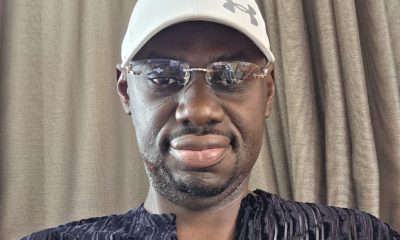
Former Deputy National Publicity Secretary of the All Progressives Congress (APC), Comrade Timi Frank, on Sunday, described the Senate President, Godswill Akpabio, as most unqualified to judge the personality and character of the Governor of Rivers State, Siminalayi Fubara.
Frank who made this assertion while reacting to Akpabio’s recent tirade against Fubara in a statement in Abuja, said Akpabio cannot give what he does not have.
Akpabio had while speaking as special guest of honour at a public lecture and book launch held in Port Harcourt to mark the 57th birthday anniversary of the Minister of the Federal Capital Territory (FCT), Nyesom Wike,
accused Fubara of “treachery and betrayal” against Wike.
He reminded Akpabio that even though the feet of birds may face the ground no matter how high they soar, character is like pregnancy which cannot be hidden forever and that a friend to a betrayal is himself a betrayer, “after all birds of the same feather flock together.”
Frank said: “The man who spoke is a known betrayer, the man who he was defending is a betrayer. So a betrayer and treacherous character is most unqualified to tag a more decent and responsible man a betrayer.
“Akpabio has betrayal in his DNA, alongside Minister Wike. Both of them have castigated the APC in the past, only to turn around to wine, dine with and praise the same party. What should we call that? Is it not strange that Akpabio has suddenly become the mouthpiece of Wike, being birds of the same feather?
“Akpabio has proved overtime that he is a Pharisee who sees the speck in another’s eyes whereas he has a log in his. Who is the betrayer? A man who insists that the the resources of Rivers State should be used for the benefit of its people and not to serve a godfather or a man who approved four budgets for the President that are running concurrently in 2024?
“Who is a betrayer? A man who is fighting to liberate Rivers state from Wike’s strangle-hold of oppression or a man who turned the 10th Senate into a rubber stamp and an extension of the executive?
“When Akpabio was elected to the Senate in 2015 on the platform of the Peoples Democratic Party, he usurped the position of minority leader from Senator James Manager who was then the most ranking Senator from the South South against established Senate tradition despite being a rookie legislator.
“Akpabio betrayed the PDP when he defected to the APC even as minority leader in the 8th Senate. Besides, we don’t think Wike can complain of being betrayed because despite past antecedents, he is still very well in the game of betrayal by being a PDP minister in an APC administration.
“Wike betrayed PDP in cahoots with four other governors and the party lost massively in 2023. Since then he has remained incurable by ensuring that all efforts by leaders of the party to put their acts together are frustrated.
“Akpabio hates Governor Fubara because he is not used to standing for his people, when they need him the most.”
Frank who is the United Liberation Movement for West Papua (ULMWP) Ambassador to East Africa and the Middle East, called on Governor Fubara not be distracted as Senator Akpabio is known for what he’s doing presently. He plays the politics of ’where belle face’.
He said: “Remain steadfast Governor Fubara as God will grant you victory over your political opponents and traducers just like your recent victory at the Appeal Court restoring monthly allocations to Rivers State. The end will justify the means at end of the day.
“We urge the public to disregard Akpabio’s baseless accusations against Governor Fubara and instead focus on the issues that matter most to the people of Rivers State.”






News
Lumumba, Tuggar, Dabiri-Erewa to Discuss Xenophobia and Pan-Africanism at The Bridge Club of Lagos Event
By Adeko Ukpa
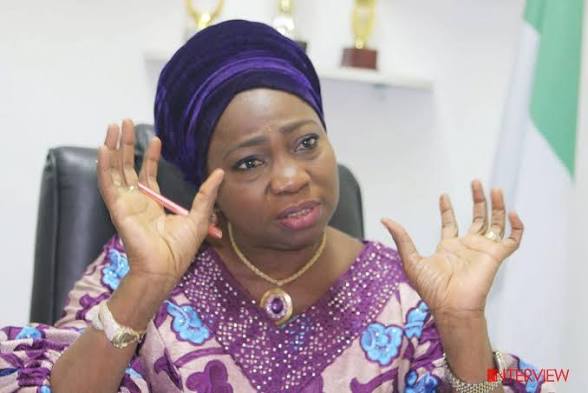
Renowned anti-corruption advocate Prof. P. L. O. Lumumba; former Minister of Foreign Affairs, Amb. Yusuf Maitama Tuggar; and Chairman of the Nigerians in Diaspora Commission (NiDCOM), Hon. Abike Dabiri-Erewa, will headline discussions on “Xenophobia Contradicts Pan-Africanism” at the Grand End-of-Year Event of The Bridge Club of Lagos.
The event will take place on 12 November 2026 at the Lagos Continental Hotel, Lagos.
Other participants include Prof. David Aworawo, Head of the Department of History and International Studies at the University of Lagos; Amb. Godwin Adakole Adama, former Consul-General of Nigeria in South Africa; and Prof. Bobby J. Moroe, Consul-General of South Africa in Nigeria. Respected columnist and broadcaster Dr. Reuben Abati will moderate the discussion.
Founded in Lagos in 2017 by a group of friends from diverse professional backgrounds, The Bridge Club of Lagos provides a platform for thoughtful dialogue on issues of national and international significance.
Through its annual gathering, the Club examines the implications of domestic and foreign policies for Nigeria and contributes to discussions on national development, international relations and foreign direct investment.
Speaking on this year’s programme, the President of The Bridge Club of Lagos, Mr. A. U. Mustapha, SAN, said the growing incidence of xenophobia demands urgent attention.
“It is time to bring xenophobia to the forefront of public discourse before it further erodes African unity,” he said.
“Our Club seeks to bring together diverse perspectives and identify practical solutions to the growing hostility among Africans. We stood together in the struggle against colonialism. Having secured our hard-earned independence, we must confront the divisions that now threaten our shared progress.
“We have invited distinguished experts to examine the causes of xenophobia and recommend measures to make Africa a continent where all Africans can live, work and contribute without fear of hostility or discrimination.
“Our discussions will explore the economic, social and political factors driving these tensions. The resulting recommendations will be communicated to relevant governments and institutions to encourage meaningful action.
“Africa must rise together. We must reject bloodshed, maiming, looting, discrimination and hatred, and renew our commitment to the ideals of Pan-Africanism.”
By Adeko Ukpa
Rotary International District 9127 has called for increased financial contributions towards its humanitarian projects, particularly interventions targeting critical healthcare needs, hearing disabilities and mobility challenges among vulnerable Nigerians.
The call was made at the 2026 Rotary Foundation Dinner of the district, where the District Governor, Engr. Sikiru Owonikoko, and Chairman of the Organising Committee, Engr. Michael Oluwagbemi, urged individuals and corporate organisations to strengthen their support for humanitarian service.
The District Governor, Owonikoko, described generosity as an important instrument for promoting peace, development and social inclusion.
He said giving provided hope for the less privileged, strengthened relationships within communities and helped bridge socio-economic divisions.
“Giving gives hope to the less privileged; it creates bonds in a society; it bridges socio-economic gaps; it fosters unity; and it makes the world safer and better for all of us.
“Giving therefore is a passport to peace and development. More importantly, it is, without a shred of doubt, a divine obligation,” he said.
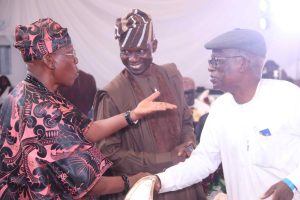
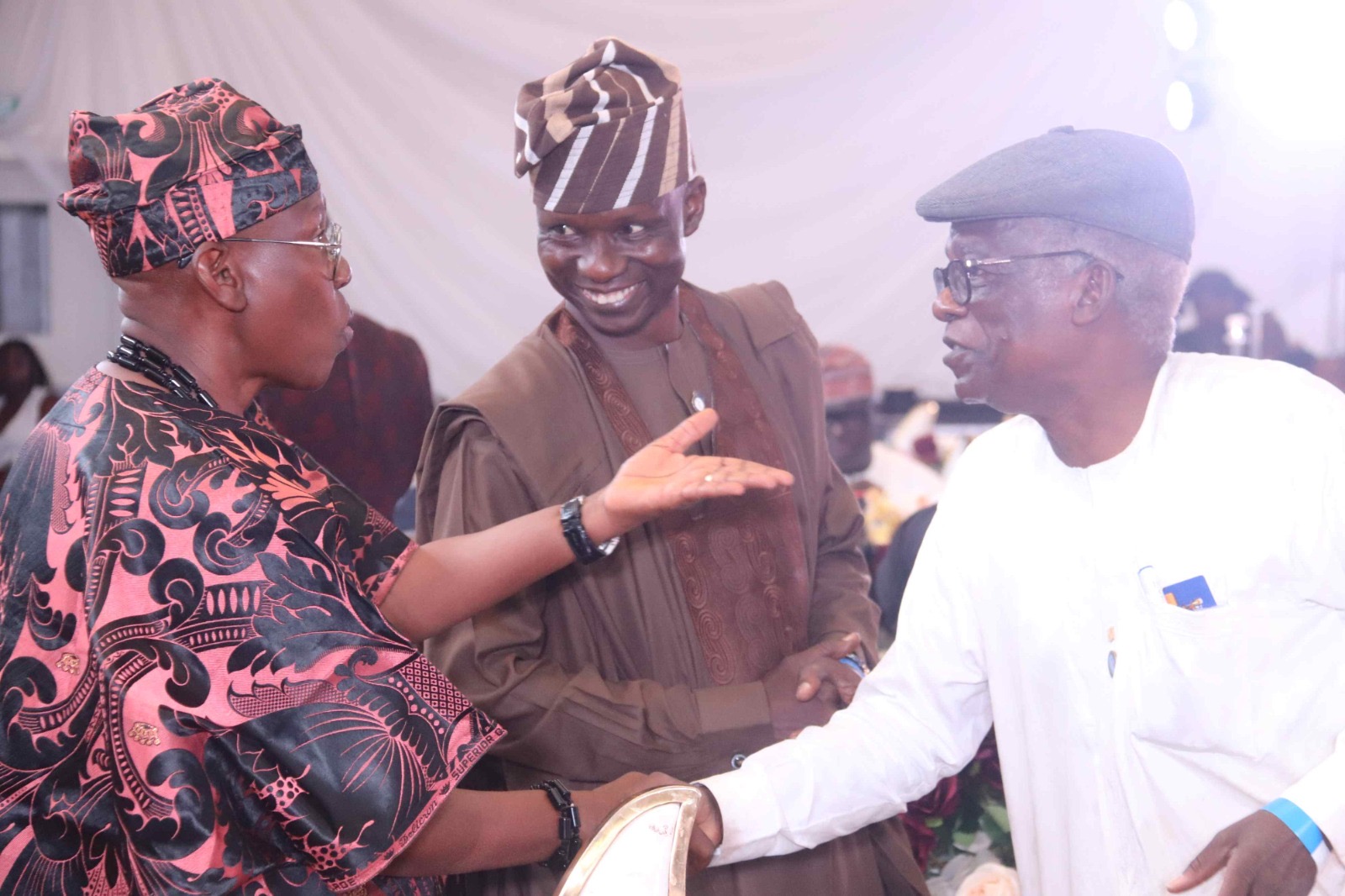
The District Governor for Rotary International District 9127, Engr. Sikiru Adetona Owonikoko chatting with the Assistant District Executive Secretary, Rtn. Bidemi Abidemi and one of best donors to The Rotary Foundation(TRF) in Nigeria, Dr. Bala Inuwa during the TRF dinner of the
district in Abuja on Saturday.
Owonikoko urged Nigerians to see philanthropy as a shared responsibility, noting that collective contributions could produce lasting changes in the lives of individuals and communities.
He said the Rotary Foundation had continued to demonstrate how ordinary people, working together, could achieve extraordinary results through humanitarian service.
“Every contribution tells a story. Every act of generosity creates an opportunity. And every life we touch reminds us why we serve,” he added.
The organising committee chairman, Oluwagbemi, said donations to the Rotary Foundation were helping to address critical needs in society, particularly among people who required specialised medical attention and assistance to improve their quality of life.
He identified intensive care support at the National Hospital, hearing aid interventions and prosthetic assistance through Cedarcrest Hospital as some of the projects demonstrating the impact of the Foundation’s contributions.
He said the initiatives were designed to provide practical assistance to people whose circumstances might otherwise limit their access to essential healthcare and medical support.
“Behind this evening’s celebration are people whose lives our generosity can change: a patient needing critical care, someone seeking the gift of hearing, or a polio survivor working towards greater mobility and independence,” he said.
He explained that the projects reflected the importance of translating philanthropy into measurable interventions that directly addressed human needs.
“Our contributions become treatment, equipment and opportunity. They reach people we never meet, but whose lives we have the privilege to improve,” he added.
Oluwagbemi appealed to both longstanding donors and first-time contributors to make personal commitments to the Foundation, assuring them that its team would provide guidance on the donation process and ensure that contributions were properly recorded.
He also acknowledged the support of the District Governor, Foundation leadership, sponsors, partners and members of the organising committee in making the dinner possible.
The event, which featured fellowship, recognition and a documentary on the benefits of the Rotary Foundation, was organised to celebrate the Foundation’s achievements and mobilise additional resources for its humanitarian activities.
Oluwagbemi expressed hope that the generosity demonstrated at the dinner would extend beyond the gathering to reach people in need.
“May the light in this room reach beyond these walls and bring hope to someone waiting for help,” he said.
…Newborn deaths fall by 45% in supported health facilities
From Adeko Ukpa
Rotary International President, Olayinka Hakeem Babalola, has disclosed that maternal deaths in health facilities supported by the organisation’s maternal healthcare intervention in Nigeria have declined by 77 per cent, while newborn deaths dropped by 45 per cent.
He attributed the improvement to sustained collaboration between Rotary, government health authorities, community health workers and international partners under the organisation’s Together for Healthy Families in Nigeria programme.
Babalola made the disclosure while delivering his keynote address at the All Nigeria Rotary Peace Summit held in Lagos, where he highlighted the organisation’s contributions to healthcare delivery, community development and peacebuilding.
He said the programme, launched in 2022, was designed to improve maternal and child healthcare by strengthening prenatal services and expanding access to essential medical supplies and equipment.
According to him, Rotary members in Nigeria, working with partners in Germany and federal and state health ministries, had supported expectant mothers across three states and the Federal Capital Territory.
He disclosed that community health workers had conducted nearly 60,000 home visits to expectant mothers and their families, while 158 healthcare facilities received contraceptives, medicines and medical equipment.
Babalola said: “We have already seen positive outcomes. Maternal deaths were reduced by 77%, and newborn deaths were reduced by 45% at supported facilities.”
He described the achievements as evidence that improving access to essential social services could contribute significantly to national stability and peace.
According to him, providing families with access to safe maternal healthcare reduces preventable deaths, strengthens community confidence and eases pressure on government health institutions.
“With each child born safely to a healthy mother, we ease the burden carried by the Federal Ministry of Health and Social Welfare. We give families a greater sense of safety and security,” he said.
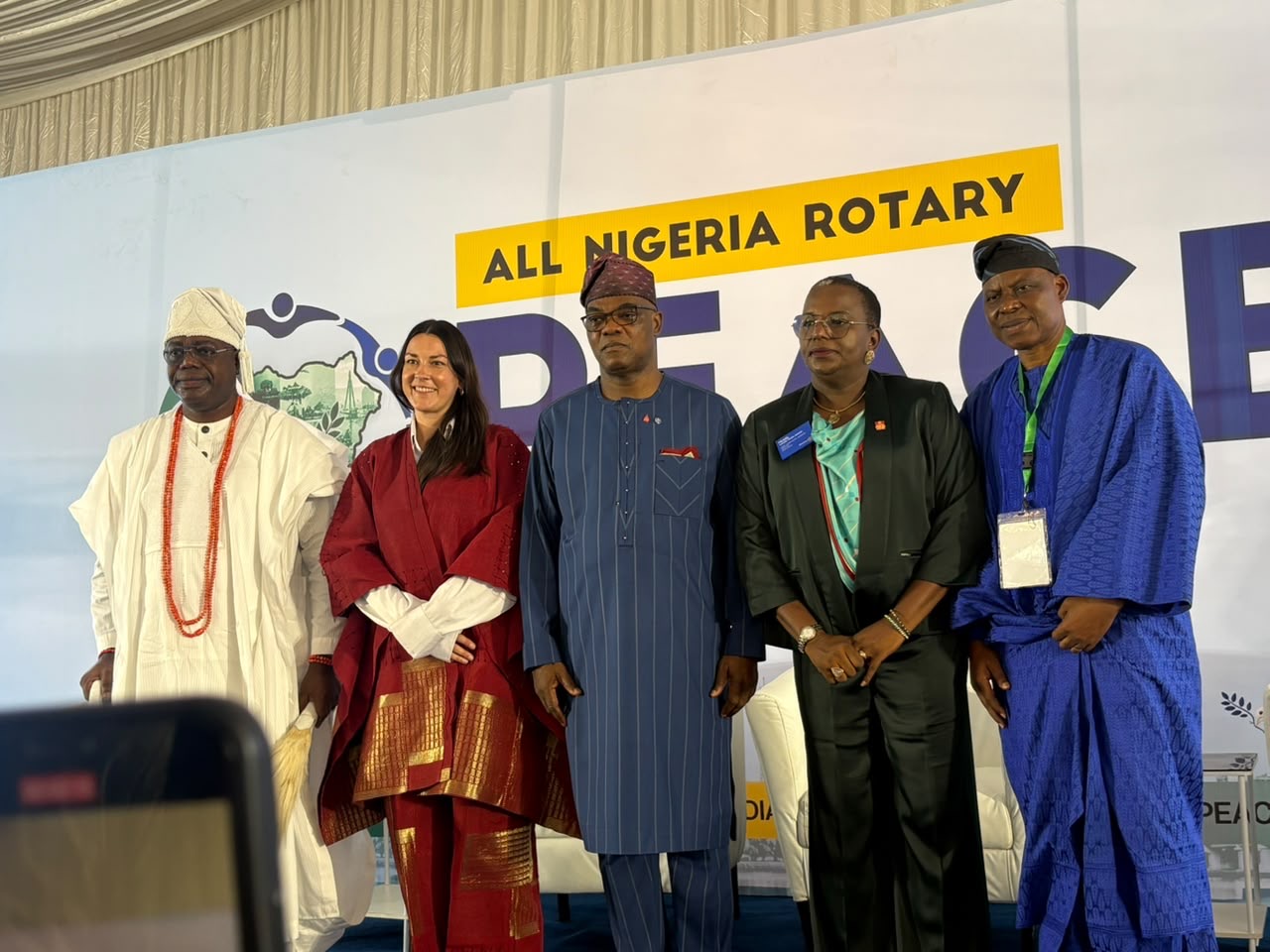
CAPTION: L-R: The Alara of Ilara, Oba Olufolarin Olukayode Ogunsanwo; the Director of Partnerships, Institute for Economics and Peace, Lea Prekerests; RI President Olayinka Babalola; The Rotary Foundation Trustee, Ijeoma Pearl Okoro; and the Chair of central Planning Committee of All Nigeria Peace Summit, Dr. Kazeem Mustapha at the opening of the summit in Lagos on Saturday. PHOTO: ROTARY INTERNATIONAL
The Rotary International President explained that the organisation’s understanding of peace extended beyond the absence of armed conflict to include access to healthcare, education, justice, opportunities and other conditions necessary for human development.
He described such interventions as part of Rotary’s Positive Peace philosophy, which focuses on addressing the underlying conditions that sustain peaceful and stable societies.
Babalola said: “To grow Positive Peace from the ground up, Rotary starts from the very foundation of life, as we have done here.”
He also highlighted Nigeria’s success in eliminating indigenous wild poliovirus transmission, noting that the country had remained free of the deadly virus since 2020.
He said Rotary continued to work with the World Health Organisation and other partners to sustain the achievement and respond to outbreaks of variant poliovirus.
Babalola further disclosed that Rotary had partnered with Makerere University in Uganda to establish a Peace Centre in 2021, following Nigeria’s declaration as wild polio-free.
The centre provides training for Peace Fellows on conflict prevention, peacebuilding and the development of sustainable approaches to resolving disputes across Africa.
He said more than 75 Rotary Peace Fellows had come from Nigeria over the years, with some participating in the summit.
The Rotary chief maintained that the organisation’s commitment to peacebuilding was demonstrated not only through advocacy but also through practical interventions that improve people’s lives.
“I tell you this not to advertise Rotary. I tell you this because I want you to know that Rotary is already a quiet partner in peacebuilding — not only around the world — but here in our shared home,” he said.
He added that Rotary members were committed to bringing people together through service and collective action.
“As members of Rotary, we are not soldiers, ambassadors, or diplomats. We bring people together to find common purpose through service to others. We are here for Nigeria, and we are here to stay,” he said.
Babalola urged government institutions, development partners, community leaders and citizens to strengthen collaboration in addressing challenges affecting ordinary Nigerians.
He stressed that sustainable development required people and institutions willing to change and work towards a common national future.
He said the ultimate objective should be a Nigeria where every citizen, irrespective of background, enjoyed access to justice, opportunity and dignity.
The Rotary International President called on members of the organisation to make peacebuilding a lasting legacy.
He stressed that the benefits of their interventions should extend to generations yet unborn.
In her paper, the Director of Partnerships, Institute for Economics and Peace, Lea Prekerests noted that there are two kinds of peace, adding that peace is more than the absence of violence.
According to Prekerests, while Negative Peace is the absence of violence or the fear of violence, Positive Peace represents the attitudes, institutions and structures that create and sustain peaceful societies but Positive Peace is what makes peace last.
The Inspector General of Police, Olatunji Disu, in his paper, called for collaboration between the Rotary International and the police
to strengthen the partnerships that connect institutions with communities, government with citizens, and security with service.
The IGP, who was represented by AIG Miller Dantawaye, said: “Let us translate that principle into action. Let us work together to build communities where justice is accessible, institutions are trusted, citizens are responsible and every individual can live with dignity, security and hope. That is the foundation of lasting peace.
“Let me therefore take the first bold step of appealing to the RI president that we jointly fix a date for the first official Police/Rotary fellowship that will be jointly presided by the IGP and RI President to kickstart the collaboration.”
-
 Opinion2 years ago
Anioma State: A Necessary Proposal Rooted in Strategic Advantage
-
 Opinion6 months ago
Ibileye’s Quiet Revolution at Federal University Lokoja
-
 Business & Economy2 years ago
NASENI, Qietur partner to build 3000 Housing Units for Staff
-
 Business1 year ago
Lithium boom has reshaped Nasarawa’s economy, says Prof Haruna
-
 Law2 years ago
Human Right and Law Enforcement in Nigeria: A Critical Analysis
-
 Education1 year ago
TVET will change Nigeria for good, says NABTEB Registrar
-
Education1 year ago
NABTEB Registrar advises automotive, locomotive Engineers to do more to diversify Nigerian economy
-
 Opinion1 year ago
Engr. Kawu: A Heroic Homecoming for a Man of the People