
Business & Economy
Adeleke assures Canadian investors of secure, supportive atmosphere in Osun


* As Canada, Osun strengthen Economic Collaboration, brainstorm on upcoming visit to Canada by Governor of Osun State
The Government of Osun State and Canadian High Commission on Monday consolidated economic partnership with a follow up bilateral talks between Governor Ademola Adeleke and Canadian top diplomats in Lagos.
The Canadian High Commissioner, James Christoff had led his team at High Commission to Osun state five weeks ago during which sectoral teams of the Osun state government made presentations on potential partnership and collaboration between the state and Canada.
 On Monday in Lagos, Governor Adeleke led his team which comprises of Hon Teslim Igbalaye, Secretary to the State Government; Rev. Bunmi Jenyo, Commissioner for Commerce and Industry; and Bamikole Omishore, Special Adviser on Sustainable Development Goals and Multilateral Relations.
Governor Adeleke said his visit was designed to reinforce conclusions reached during the High Commissioner’s visit to Osun State and to brainstorm on his upcoming trip to Canada to meet Canadian sectoral investors.
“Today, I had the honor of visiting the Canadian High Commission in Lagos to discuss shared interests and my upcoming trip to Canada, where I plan to engage with investors, development partners, and Osun State natives residing in Canada”, the Governor explained after the closed door meeting.
The Governor reaffirmed his administration’s unwavering commitment to fostering a conducive environment for businesses to thrive in Osun, sharing with the diplomats the remarkable progress he has made in just 10 months, including plugging revenue leakages, maintaining transparency, and involving our citizens in the decision-making process.
“I also highlighted Osun’s strategic location in the Southwest, which facilitates the movement of agricultural produce”, the Governor was quoted as saying, adding that “our plans for a cargo airport, the presence of a sub-power station that will be a major benefit to be a manufacturing hub with the right investments, a free trade zone, and an economic zone.
“I assured the High Commissioner of our dedication to providing investors with a secure and supportive atmosphere for their ventures to flourish”, the Governor noted.
The delegation was received by the High Commissioner James Christoff, Deputy C.J. Scott, and their team in the trade and political section.
The High Commissioner reiterated his earlier assurance of the Canadian government to deepen economic partnership with subnational entities across Nigeria and Africa.












From Adeko Ukpa, Abuja
More than 20 women gathered in Broadstairs, Kent in the United Kingdom for a two-day community training on hair styling and makeup artistry to celebrate International Women’s Day.
The event was also meant to empower women through practical skills and creative expression.
The initiative was organised by Slique Beauty Bar, House of Comfort CIC founded by community advocate and beauty professional Ijeoma Glory-Emeh, in collaboration with Lilian Opara (Éclarya Hair and Beauty Ltd).
The event, which was professionally covered by SlickPhotography Ltd, who spent two days capturing the inspiring moments, learning sessions and transformation of the participants.
The programme brought together women from across the community in a welcoming and supportive environment where they could learn new skills, build confidence, and connect with others.
The first day of the event focused on hair styling techniques, while the second day was dedicated to makeup artistry.
All products and tools were provided for participants, allowing every student to gain hands-on experience and practical knowledge throughout the sessions.
The training was organised in recognition of International Women’s Day 2026, whose global theme, “Give to Gain,” highlights the idea that when communities invest in women through education, skills, mentorship and opportunities.
The benefits extend far beyond individuals to families and society as a whole.
 L-R: The Founder, House of Comfort CIC and Slique beauty Bar Ltd, United Kingdom, Ijeoma Glory-Emeh; Mayor Mike Garner (Broadstairs, Kent) United Kingdom and and his wife Mayoress Carole Martin; and the Founder Éclarya hair and beauty Ltd. Lilian Opara at the International Women’s Day event in Broadstairs, Kent in the UK.
Tbe Founder, Ijeoma Glory-Emeh said the initiative was rooted in a lifelong passion for community service.
“I have always been passionate about supporting people in my community. “From a young age, I found joy in helping others grow and that passion has stayed with me. Creating spaces where women can learn new skills, feel confident and support each other is something that means a lot to me.”
Participants described the training as inspiring and empowering, with many saying they left feeling more confident and empowered.
“The transformation over the two days was truly beautiful to see.
“The women walked in curious and eager to learn, and they left feeling inspired, empowered and happy with new knowledge they can use personally or professionally,” Ijeoma added.
The event also received special support from the local community, with the Mayor of Broadstairs attending the first day of the programme alongside his wife to show encouragement for the initiative and the women participating.
For the organisers, the training represents more than just a beauty class, it is part of a broader vision to create opportunities that empower women and strengthen the community.
The project first launched in 2025 and continues to grow as more people become aware of its impact. Organisers hope to expand the initiative in the future, reaching even more women through similar empowerment programmes.
“This is just the beginning,” Ijeoma said. “Our goal is to continue creating opportunities that help people in our community grow, become more confident, and feel empowered to pursue their dreams.”
By Adeko Ukpa, Abuja
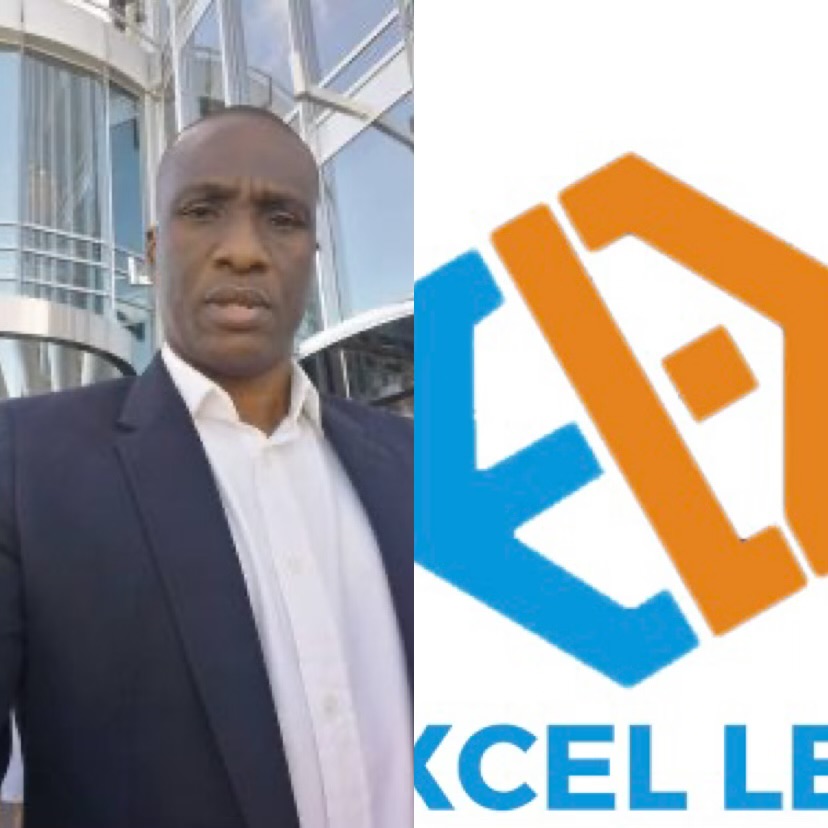
Excel Optoelectronics Company Limited and its Chief Executive Officer, Ambassador Emmanuel Shoon Patrick, have strongly denied allegations of fraud, fund diversion and tax evasion published against them in December 2025 and February 2026, describing the reports as “inaccurate, misleading and injurious.”
In a detailed Right of Reply dated February 5, 2026, and addressed to the editor, the company accused some media organisations of ethical breaches, abuse of editorial power and trial by media, insisting that the publications arose from a private commercial dispute rather than verified investigative journalism.
The disputed reports had alleged that the Federal Competition and Consumer Protection Commission (FCCPC) referred Excel-led, a Chinese-owned firm, and Ambassador Patrick to the Inspector-General of Police for possible prosecution over alleged diversion of multi-million-naira LED installation funds at Nigerian airports.
Reacting, Ambassador Patrick stated that neither he nor his company was contacted before publication, a lapse he said violated the Constitution and the Nigerian Union of Journalists (NUJ) Code of Ethics.
“No effort whatsoever was made to contact the company or its CEO prior to publication to obtain our version of events. This omission constitutes a clear departure from settled principles of fair and responsible journalism,” he said.
He further alleged editorial imbalance, noting that while the accuser was shielded, his name and company were “fully exposed and portrayed in criminal terms.”
According to the letter, Excel Optoelectronics is a Nigerian-owned company with partnerships in China and elsewhere, not a Chinese firm as portrayed in the reports.
“Excel LED Nigeria is an independent and proudly Nigerian entity. Under my leadership, the company has built a reputation for reliability, innovation and international collaboration,” Patrick said.
Commercial dispute, not criminal conduct
The company explained that the matter stemmed from a commercial transaction initiated on December 1, 2025, involving a request by Mr. Fidelis Anosike of Folio Media Group Ltd. for LED screens on credit for installation at Port Harcourt International Airport.
Patrick said the request violated company policy, but a compromise was reached to release one unit upon a ₦10 million deposit, backed by a formal invoice of ₦28.3 million inclusive of VAT.
He said the deposit was paid with full knowledge of the non-refundable terms and that no government funds were involved.
“What occurred was a commercial engagement. It was not fraud, not tax evasion, and not a criminal enterprise. No public revenue was placed at risk,” the letter stated.
The Excel LED boss further alleged that when issues arose over the balance, Mr. Anosike became hostile and threatened to use his position as a newspaper publisher to damage the company’s reputation.
“The timing, tone and framing of the reports amount to trial by media, published shortly after a commercial disagreement and presented as established criminal conduct rather than disputed claims,” Patrick said.
Demand for redress
Excel Optoelectronics demanded prominent publication of its right of reply, withdrawal or amendment of the offending stories, removal of related online content and a public apology.
The company warned that failure to comply would result in petitions to regulatory bodies and possible civil action for defamation and malicious falsehood.
“We will not be intimidated, coerced, or subjected to reputational harm through the misuse of media platforms or the weaponisation of editorial influence,” the letter said.
Below is the full text of the Right of Reply as submitted:
5th February, 2026
Dear Editor,
Please find attached a letter on a right of Reply that we would need to be published in your medium.
We are doing this as a last resort, to help the public to be aware of the correct position of things. We are convinced that you will support the propagation of truth as a patriotic citizen and professional organization:
RE: RIGHT OF REPLY TO PUBLICATIONS DATED DECEMBER 16TH 2025 AND FEBRUARY 5TH 2026
I write pursuant to my right of reply in response to the publications titled; CHINESE EXCEL-LED. NIGERIAN FIXERS SWINDLE FG IN MULTI-MILLION NAIRA AIRPORT AND FCCPC REFERS CHINESE EXCEL-LED, EMMANUEL SHOON PATRICK TO IGP FOR CRIMINAL PROSECUTION which appeared in your newspaper on DECEMBER 16TH 2025 AND FEBRUARY 5TH 2026, and which contains statements concerning me and my organization that are inaccurate, misleading, and injurious to my reputation.
The article, as published, presents allegations and assertions that are neither supported by verifiable facts nor reflective of the true position. Regrettably, no effort was made to seek my response prior to publication, thereby denying your readers the benefit of balance and fairness, which are fundamental principles of responsible journalism.
SUMMARY OF ALLEGATIONS IN BOTH PUBLICATIONS
•The Federal Competition and Consumer Protection Commission (FCCPC) has allegedly referred EXCEL-LED, a Chinese-owned company, and its Nigerian associate, Amb. Emmanuel Shoon Patrick, to the Inspector-General of Police (IGP) for possible criminal prosecution, by a letter dated 21 January 2026.
•The referral is reportedly based on allegations of diversion of funds arising from multi-million-naira LED installation contracts at Nigerian airports, including Port Harcourt International Airport.
•It is alleged that payments meant for corporate accounts were instead paid into personal bank accounts, purportedly enabling tax evasion and contributing to non-execution or delay of contracted projects.
•The company is accused of non-performance despite receiving substantial upfront payments, allegedly leaving airport LED upgrade projects incomplete and terminals inadequately lit.
•The article claims that the alleged diversions involved millions of naira, affecting multiple project locations nationwide.
•Daily Times Nigeria asserts that it conducted investigative visits to the FCCPC and the Economic and Financial Crimes Commission (EFCC), during which officials allegedly confirmed that case files had been transferred to the Nigeria Police Force.
•The article further alleges that the EFCC may undertake forensic audits of bank transactions linked to the matter, potentially uncovering accomplices and recovering diverted funds.
•Amb. Emmanuel Shoon Patrick is portrayed as a local intermediary who allegedly facilitated the transactions between EXCEL-LED and Nigerian concessionaires, exploiting regulatory gaps.
•The alleged misconduct is said to include possible fraud, money laundering, tax evasion, and breach of contract, with potential consequences such as prosecution, asset forfeiture, and blacklisting from future government contracts.
•The article situates the allegations within a broader narrative of increased scrutiny of foreign (particularly Chinese) firms operating in Nigeria’s public infrastructure sector.
For the avoidance of doubt, I wish to place the following clarifications on record:
SECTION ONE
Concerns Regarding Media Professionalism, Ethical Breaches, and Abuse of Editorial Power.
Excel Optoelectronics Company Limited and its Chief Executive Officer/Founder, Amb. Emmanuel Shoon Patrick, have noted with serious concern a series of online publications circulated by Daily Times, Sahara Reporters, West Africa Express, and 247UReports, which portray the company and its CEO in a false, reckless, and damaging manner.
At the threshold, these publications reveal a fundamental failure of basic journalistic standards. Despite the gravity of the allegations made, no effort whatsoever was made to contact the company or its CEO prior to publication to obtain their version of events. This omission constitutes a clear departure from settled principles of fair and responsible journalism and offends:
•Section 36 of the Constitution of the Federal Republic of Nigeria (1999, as amended), which guarantees the right to fair hearing;
•Article 4 of the Nigerian Union of Journalists (NUJ) Code of Ethics, which mandates balance, fairness, verification, and the right of reply; and
•Long-established principles of natural justice requiring that allegations be tested against all sides before publication.
Equally troubling is the marked editorial imbalance evident in the reporting. While the accuser’s identity, business interests, and contractual conduct were either anonymized or carefully shielded, the CEO AND IDENTITY OF EXCEL LED were fully named, exposed, and portrayed in criminal terms. This selective treatment unjustifiably placed Amb. Patrick at reputational, professional, and personal risk, without due investigation or verification.
The deliberate protection of one party and the unrestrained exposure of the other raises legitimate questions as to editorial neutrality and intent. Such imbalance reasonably suggests bias and recklessness, and represents a distortion of the media’s constitutional role as a public watchdog, not a tool for prejudice or coercion.
Further, the fact that the Said Mr. Fidelis Anosike who has claimed to be the publisher of The Daily Times (which is owned by Folio Media Group Ltd.) in his previous threats to use the media to his advantage also indicate a troubling abuse of media ownership and editorial influence. The content did not arise from independent investigative journalism in the public interest, but appears instead to have been triggered by a private commercial disagreement, subsequently amplified through media platforms associated with one of the interested parties. Where a media outlet or its controlling interests deploy editorial power to advance a personal or commercial grievance, such conduct constitutes a conflict of interest and a misuse of journalistic privilege.
The timing, tone, and framing of the reports, published shortly after a commercial disagreement and presented as established criminal conduct rather than disputed claims, amount to trial by media, a practice expressly discouraged by Nigerian media ethics and inconsistent with constitutional guarantees of fair hearing.
Taken together, these actions violate the NUJ Code of Ethics, applicable regulatory principles on balance and accuracy, and potency of the law with regards to protections against malicious falsehood and defamation. The publications were therefore not made in good faith, were reckless as to truth, and were calculated to exert undue pressure and cause reputational harm, rather than to inform the public responsibly.
These concerns form a central part of this Right of Reply and will be pursued through all appropriate legal, regulatory, and professional channels.
SECTION TWO
Clarification of the Record in the Interest of Accuracy and Public Trust
Profile Summary:
Ambassador Emmanuel Shoon Patrick and Excel Optoelectronics Company Limited
Amb. Emmanuel Shoon Patrick is the Chief Executive Officer and Founder of Excel Optoelectronics Company Limited, a leading Nigerian enterprise specializing in the supply and installation of advanced LED display and lighting systems. Under his leadership, Excel LED has developed a robust reputation for delivering high-quality digital and energy-efficient infrastructure solutions across multiple sectors, including aviation, religious organizations, corporate environments, and public spaces. He has built a truly indigenous company as a Nigerian and this reputation has helped to build partnerships with high end corporations both within Nigeria and in China and other countries.
Excel LED Nigeria is an independent and proudly Nigerian entity, our business model combines technical expertise with strategic partnerships, most notably with Chinese technology providers, enabling the company to access cutting-edge LED systems and integrate global standards in its operations. This collaboration has facilitated the successful deployment of large-scale projects for major clients, including airport authorities, corporate organizations, and public institutions, reflecting a diverse and high-value clientele.
Through Amb. Patrick’s leadership, Excel LED has built a portfolio distinguished by reliability, innovation, and international collaboration, positioning the company as a key player in Nigeria’s digital infrastructure and energy efficiency sectors. It is unfortunate that such a publication, which was also published in China, was intended to rubbish our image as a country and dampen the efforts of young Nigerian entrepreneurs: a section that Amb. Emmanuel Shoon Patrick represents.
In the interest of accuracy, balance, and the preservation of public trust in the media, it is necessary to respectfully clarify certain impressions created by the publications in question.
The reports conveyed to readers the clear impression that Excel Optoelectronics Company Limited and its Chief Executive Officer, Amb. Emmanuel Shoon Patrick, were involved in fraudulent or criminal conduct. That impression does not reflect the factual circumstances surrounding the matter. What occurred was a commercial engagement initiated on or about 1 December 2025, arising from a request for the supply and installation of LED screens under credit terms that were inconsistent with the company’s established business policy.
Notwithstanding this policy, and purely as a gesture of commercial accommodation, the company agreed to release a single unit under clearly documented terms. An invoice was duly issued, setting out the full value of the product, applicable charges, and the company’s non-refundable payment conditions. These terms were accepted, and a deposit was paid and acknowledged in the ordinary course of business.
The publications did not place before the public material facts relating to the breakdown of discussions that followed, including inconsistencies in representations made during the engagement and efforts by the company to address the situation through appropriate commercial channels. Instead, readers were left with an unqualified narrative of wrongdoing, without the benefit of contextual detail that would have allowed for a fair and informed assessment.
It is also relevant to note that the issues arising from this transaction are presently the subject of ongoing legal proceedings. In such circumstances, journalistic restraint and careful framing are especially important to avoid presenting disputed commercial claims as settled conclusions or imputations of guilt.
Finally, references suggesting tax-related impropriety are not supported by the transaction records, which clearly state the applicable tax treatment of the payment made. No additional payments were received, and no public revenue was placed at risk.
This clarification is offered not to litigate the dispute in the media, but to ensure that the public record more accurately reflects the complexity of the matter and upholds the standards of fairness, balance, and responsible reporting that readers reasonably expect.
DETAILLED CLARIFICATION ON THE TRANSACTION WITH MR. FIDELIS ANOSIKE: PUBLISHER OF DAILY TIMES
On or about 1 December 2025, Mr. Fidelis Anosike and his company: Folio Media Group Ltd., contacted a staff member of Excel Optoelectronics Company Limited, Mr. Ndubuisi Igbemu, requesting the supply and installation of LED screens on credit, to be placed at his choice location at Port Harcourt International Airport. He represented that he was awaiting payment of ₦500,000,000 from MTN Nigeria, which he claimed would enable him to settle the account.
As this request exceeded the scope of Mr. Igbemu’s authority, it was referred to Amb. Emmanuel Shoon Patrick, CEO/Founder, who, aware of the company’s strict policy against releasing products on credit, reviewed the request. Despite Mr. Fidelis Anosike and his company: Folio Media Group Ltd., being a prior client, having purchased three LED screens previously, the CEO politely declined full compliance with the request, consistent with the company’s policy.
In consideration of the purported opportunity to supply 100 units across Nigerian airports and in a gesture of goodwill, the CEO proposed a compromise: release of one unit of LED screens against a deposit of ₦10,000,000, subject to a formal invoice dated 1 December 2025 for ₦28,332,372 (inclusive of VAT), which clearly indicated the company’s non-refundable payment policy. Mr. Fidelis Anosike, fully aware of these terms, accepted and remitted the deposit via another company, Tefan, on behalf of Folio Media, using the CEO’s personal account temporarily for operational exigencies, a fact known and acknowledged by him at all relevant times.
Subsequently, a screenshot of the deposit sent by Mr. Fidelis Anosike revealed that he had sufficient funds, contrary to his earlier claims of financial incapacity. When the CEO drew attention to the outstanding balance, Mr. Fidelis Anosike responded with hostility, falsely labeling the CEO a “criminal,” and threatened to leverage his position as Publisher of Daily Times to publicize the dispute. He refused to provide details for a refund, escalating the matter into a public confrontation.
In response, Excel Optoelectronics, through its legal counsel, issued formal letters of demand seeking settlement of the outstanding balance and retraction of defamatory statements. Folio Media’s subsequent correspondence, alleging fraud and misrepresentation, was addressed comprehensively by the company’s solicitors. Who have initiated the process for seeking declaratory reliefs.
The company was therefore taken aback by media publications portraying Mr. Fidelis Anosike and his company: Folio Media Group Ltd., as a purported victim, despite evidence, including his own communications, showing misrepresentation and willingness to manipulate the transaction for personal advantage. These publications failed to contact Excel Optoelectronics or its CEO for comment, mischaracterized a commercial dispute as criminal conduct, and selectively shielded the accuser while exposing and maligning the company and its CEO.
It is critical to note that all VAT obligations were preserved, the company received no other payment from Mr. Fidelis Anosike prior to the deposit, and no government revenue was compromised. Excel Optoelectronics remains committed to providing exemplary service to its clients and will continue to assert its rights in accordance with the law, regardless of attempts to exploit media influence for personal grievances.
These clarifications can be substantiated by documentary evidence and are presented in the interest of accuracy and public enlightenment. The continued circulation of the uncorrected publication risks misleading the public and unjustly damaging my professional and personal standing.
SECTION THREE
Request for Editorial Redress and Corrective Action
In keeping with established media practice, the principles of responsible journalism, and the right of reply guaranteed under Nigerian law, we respectfully seek the following remedial actions in order to correct the public record and restore balance:
1.The publication of this Right of Reply with prominence and visibility reasonably comparable to that accorded the original reports, so that readers are afforded a fair opportunity to consider all sides of the matter;
2. A clear editorial clarification and withdrawal of the specific allegations and impressions that suggested criminal or fraudulent conduct, where such conclusions were not established;
3.The removal or appropriate amendment of the offending online publications and related social media posts to prevent the continued circulation of misleading or prejudicial content;
4. A public apology, addressed to Excel Optoelectronics Company Limited and Amb. Emmanuel Shoon Patrick, acknowledging the distress, reputational harm, and professional impact occasioned by the publications.
These steps are sought in good faith, with the sole objective of upholding journalistic standards, correcting inaccuracies, and preserving public confidence in the media.
SECTION FOUR
Notice of Potential Further Action
While our primary objective remains the correction of the public record through responsible editorial engagement, Excel Optoelectronics Company Limited must respectfully place on record that, should the remedial requests outlined in Section Three not be addressed within a reasonable timeframe, we will consider and pursue all available legal and regulatory remedies. These may include, but are not limited to:
•Publication of further factual clarifications in reputable national and international media outlets to ensure accurate information is disseminated;
•Formal petitions and complaints to professional and regulatory bodies, including the Nigerian Union of Journalists (NUJ), the National Broadcasting Commission (NBC), and any other relevant oversight authorities;
•Civil proceedings for defamation, malicious falsehood, and related claims against all parties responsible for the inaccurate and damaging publications;
•Any other lawful media or judicial remedies permissible under Nigerian law.
Excel Optoelectronics Company Limited remains a law-abiding corporate entity, dedicated to ethical business practices, professional integrity, and the delivery of excellence to its clients. We emphasise that we will not be intimidated, coerced, or subjected to reputational harm through the misuse of media platforms or the weaponisation of editorial influence to pursue private commercial disputes.
In line with established journalistic ethics and the provisions for right of reply, I respectfully request that this response be published in your newspaper with comparable prominence to the original article.
We trust that your organisation will treat this matter with the seriousness it deserves and uphold the standards of fairness, accuracy, and accountability expected of the press.
Please accept the assurances of my highest consideration.
Yours faithfully,
SIGNED: Amb. Emmanuel Shoon Patrick
For: Excel Optoelectronics Company Limited

By Adeko Ukpa, Abuja
Plateau State Governor, Barrister Caleb Manasseh Mutfwang, has embarked on a strategic economic, development and bilateral trade mission to the United States, aimed at attracting investments and deepening sub-national international cooperation in line with the Federal Government’s Renewed Hope Agenda.
The governor arrived in the U.S. to engage key American institutions, including the United States Development Finance Corporation (DFC), the United States Export-Import Bank (EXIM), senior officials of the U.S. State Department, as well as other policy and investment stakeholders, to explore opportunities that will boost economic growth, trade and development in Plateau State and Nigeria.
According to him, the visit underscores Plateau State’s commitment to expanding its international footprint and leveraging global partnerships to drive sustainable development and prosperity for its people.
 As part of his early engagements, Governor Mutfwang met with U.S. Congressman Riley Moore, where discussions centred on strengthening the growing Nigeria–United States partnership, particularly in the areas of economic cooperation, investment, security and democratic governance.
During the meeting, the governor highlighted the Renewed Hope Agenda of President Bola Ahmed Tinubu, GCFR, which he said prioritises the welfare, security and prosperity of Nigerians. He also noted the progress being made in tackling insecurity across the country, attributing recent gains to the President’s decisive leadership and firm commitment to national security.
Governor Mutfwang said the improving security situation is creating a more conducive environment for investment and economic growth, both at the national and sub-national levels.
In his response, Congressman Moore commended the Plateau State governor for the visit and expressed strong interest in deepening U.S.–Nigeria relations. He reaffirmed his commitment to working with the Nigerian government to promote a comprehensive and mutually beneficial partnership between both countries.
Governor Mutfwang thanked the U.S. Government and Congressman Moore for their continued support, assuring them of Plateau State’s readiness to strengthen cooperation in investment, development, security and people-to-people relations.
-

 Opinion1 year ago
Anioma State: A Necessary Proposal Rooted in Strategic Advantage
-

 Business & Economy2 years ago
NASENI, Qietur partner to build 3000 Housing Units for Staff
-

 Law2 years ago
Human Right and Law Enforcement in Nigeria: A Critical Analysis
-
 Business5 months ago
Lithium boom has reshaped Nasarawa’s economy, says Prof Haruna
-

 Education6 months ago
NABTEB Registrar advises automotive, locomotive Engineers to do more to diversify Nigerian economy
-
Education9 months ago
TVET will change Nigeria for good, says NABTEB Registrar
-
 Opinion6 months ago
Engr. Kawu: A Heroic Homecoming for a Man of the People
-

 Education9 months ago
TVET: FG conducts entrance exam into FTCs for 30,000 students